
"caffeine and workouts"
145000 article(s) found
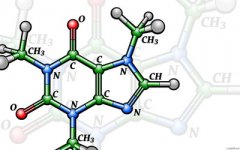
Is caffeine an angel or a devil?
Caffeine (Caffeine) is an alkaloid extracted from tea and coffee fruit. Moderate use of caffeine can dispel fatigue and excitatory nerves. Caffeine is used in clinical treatment of neurasthenia and coma resuscitation. The main source of caffeine in the food industry is coffee beans. Tea, cocoa, cola and Red Bull drinks all contain caffeine. Even women's oral contraceptive contains coffee.

What's the reason for panicking when drinking coffee?
Coffee contains caffeine, a central nervous system stimulant and a metabolic stimulant. Caffeine is used as both a drink and a medicine. its function is to refresh and relieve fatigue. The exact dose of caffeine that everyone needs to produce an effect varies, depending on body size and caffeine tolerance. Caffeine in less than an hour
A brief introduction to caffeine, the active ingredient in coffee beans
Caffeine (Caffeine) is an alkaloid extracted from tea and coffee fruit. Moderate use of caffeine can dispel fatigue and excitatory nerves. Caffeine is used in clinical treatment of neurasthenia and coma resuscitation. However, large doses or long-term use will also cause damage to the human body, especially it is also addictive, once discontinued, there will be mental fatigue, fatigue and other withdrawal symptoms
Basic knowledge of Fine Coffee A brief discussion on caffeine
Caffeine (Caffeine) is an alkaloid extracted from tea and coffee fruit. Moderate use of caffeine can dispel fatigue and excitatory nerves. Caffeine is used in clinical treatment of neurasthenia and coma resuscitation. The main source of caffeine in the food industry is coffee beans. Tea, cocoa, cola and Red Bull drinks all contain caffeine. Even women's oral contraceptive contains coffee.
Analysis of the basic knowledge of Coffee caffeine
Caffeine (Caffeine) is an alkaloid extracted from tea and coffee fruit. Moderate use of caffeine can dispel fatigue and excitatory nerves. Caffeine is used in clinical treatment of neurasthenia and coma resuscitation. The main source of caffeine in the food industry is coffee beans. Tea, cocoa, cola and Red Bull drinks all contain caffeine. Even women's oral contraceptive contains coffee.

The security code for caffeine intake. What is caffeine?
Professional coffee knowledge exchange more coffee bean information Please follow the coffee workshop (Wechat official account cafe_style) recently in the United States, it was reported that a 16-year-old boy drank three caffeinated drinks within two hours, resulting in sudden death of arrhythmia, which attracted public attention. Daily life is full of all kinds of caffeine drinks and foods, in addition to coffee, tea, energy drinks,

Angel or Devil talk about the advantages and disadvantages of caffeine
Caffeine (Caffeine) is an alkaloid extracted from tea and coffee fruit. Moderate use of caffeine can dispel fatigue and excitatory nerves. Caffeine is used in clinical treatment of neurasthenia and coma resuscitation. The main source of caffeine in the food industry is coffee beans. Tea, cocoa, cola and Red Bull drinks all contain caffeine. Even women's oral contraceptive contains coffee.
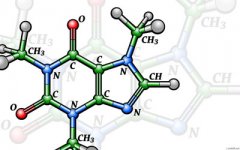
Is caffeine an angel or a devil?
Caffeine (Caffeine) is an alkaloid extracted from tea and coffee fruit. Moderate use of caffeine can dispel fatigue and excitatory nerves. Caffeine is used in clinical treatment of neurasthenia and coma resuscitation. The main source of caffeine in the food industry is coffee beans. Tea, cocoa, cola and Red Bull drinks all contain caffeine. Even women's oral contraceptive contains coffee.
A brief discussion on the main components of caffeine coffee
Caffeine (Caffeine) is an alkaloid extracted from tea and coffee fruit. Moderate use of caffeine can dispel fatigue and excitatory nerves. Caffeine is used in clinical treatment of neurasthenia and coma resuscitation. The main source of caffeine in the food industry is coffee beans. Tea, cocoa, cola and Red Bull drinks all contain caffeine. Even women's oral contraceptive contains coffee.

Seven facts about caffeine. What is caffeine? Is caffeine good or bad for your health?
1. Caffeine is good for both short-term and long-term memory. Earlier studies have found that caffeine is good for short-term memory, while recent studies have found that caffeine is also good for long-term memory. Dr. Jacqueline London, senior dietitian at Mount Sinai Hospital in New York, said eating 300 to 400 milligrams of caffeine a day can help prevent cognitive decline and prevent Alzheimer's disease. two。 Caffeine can be extracted.
Basic knowledge of Fine Coffee A brief discussion on caffeine
Caffeine (Caffeine) is an alkaloid extracted from tea and coffee fruit. Moderate use of caffeine can dispel fatigue and excitatory nerves. Caffeine is used in clinical treatment of neurasthenia and coma resuscitation. The main source of caffeine in the food industry is coffee beans. Tea, cocoa, cola and Red Bull drinks all contain caffeine. Even women's oral contraceptive contains coffee.
Authoritative report on caffeine (2)
Women's Health Womens Health * * Women have doubts about caffeine food and health * * Research supports moderate caffeine intake, including pregnancy, lactation, menopause and other major medical organizations and experts such as the United States Food and Drug Administration have agreed that moderate caffeine intake is safe for normal people. Women can also use foods that contain caffeine

Does black tea contain caffeine? Is it refreshing? Which tea has the highest caffeine content?
A common saying is that black tea contains much more caffeine than green or white tea. Many people always choose green tea because they think the caffeine content in green tea is much lower. Others say that green tea contains no caffeine. Five indisputable facts about the caffeine content in tea: 1. Everything extracted from camellias

The black history of caffeine: a good medicine
Close-up: coffee poured into a glass Photography: national Geographic Sam Abell article: Rebecca Rupp this past March is caffeine Awareness month. Depending on your reading material, you may start drinking coffee, or you may drop the coffee and drink juice or herbal tea instead. Caffeine, though not the coolest thing, is the most popular psychotropic drug in the world.

What are the dangers of excessive caffeine use? Is caffeine addictive?
Caffeine in high doses is a drug that can lead to caffeine poisoning in the long term. Caffeine poisoning includes addiction and a range of physical and psychological side effects, such as nervousness, irritability, anxiety, tremors, muscle spasms (hyperreflexia), insomnia and palpitations.

Caffeine's effects on the body
1. Caffeine is good for both short-term and long-term memory. Earlier studies have found that caffeine helps short-term memory, and more recent studies have found that caffeine also has benefits for long-term memory. Drinking 300 to 400 milligrams of caffeine a day can help prevent cognitive decline and Alzheimer's disease, said Dr. Jack Lynn London, senior dietitian at Mount Sinai Hospital in New York. 2. caffeine extract
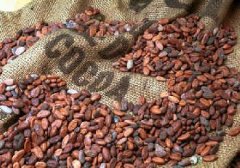
The basic knowledge of caffeine how much caffeine affects your health
Wang Hai, the first person in China to crack down on counterfeiting, took Coca-Cola to court because he did not specify the content of caffeine. Caffeine is not uncommon in our daily life. In addition to drugs, coffee, tea, many soft drinks and functional drinks contain caffeine. Experts point out that adults consuming 200 milligrams of caffeine a day can lead to caffeine dependence, especially in children who are physically developing.

What is the function and function of caffeine? Security code for caffeine intake!
Professional coffee knowledge exchange more coffee bean information Please follow the coffee workshop (Wechat official account cafe_style) recently in the United States, it was reported that a 16-year-old boy drank three caffeinated drinks within two hours, resulting in sudden death of arrhythmia, which attracted public attention. Daily life is full of all kinds of caffeine drinks and foods, in addition to coffee, tea, energy drinks, food

How much caffeine does a cup of coffee contain? Will low caffeine taste better?
Communication of professional baristas Please pay attention to the coffee workshop (Wechat official account cafe_style) how much caffeine a cup of coffee contains, in addition to the variety of coffee beans, mainly depends on the roasting time and extraction time of coffee beans. As long as you master the variables that affect the amount of caffeine, you can drink it in the right situation and mood.

Is caffeine addictive a drug?
Drinking coffee is an indispensable part of many people's daily life. From another point of view, life is inseparable from a psychoactive substance called caffeine. Isn't it addictive? As the second kind of psychotropic substances regulated by the state, caffeine is at risk of excessive poisoning, while caffeine addiction can lead to anxiety disorders, sleep disorders, etc., caffeine intake and drug abuse among teenagers.